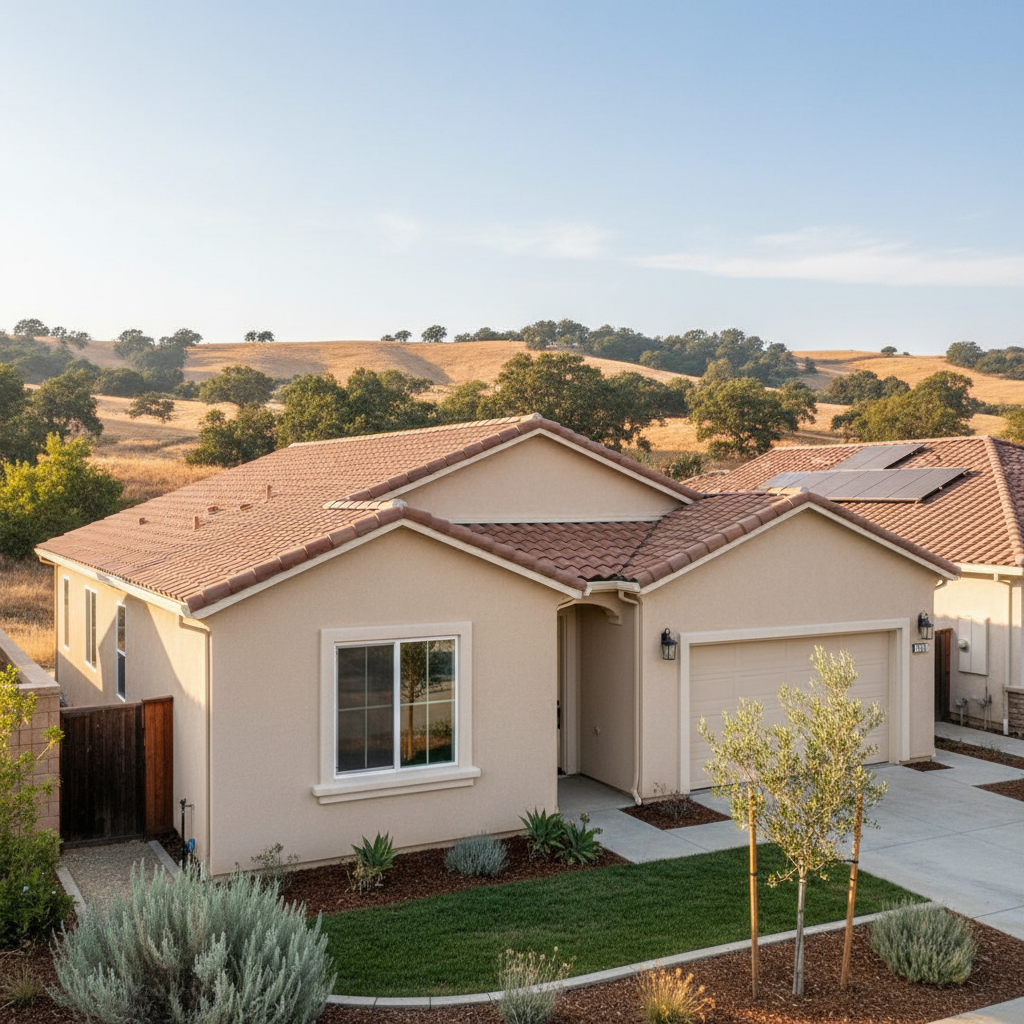
Alright, let's talk about EIFS. That stands for Exterior Insulation and Finish Systems, and honestly, it's a really smart choice for lots of homes and businesses right here in Pittsburg, CA. It might look a lot like traditional stucco, but there are some big differences, especially when you think about insulation and how much energy it can save you. People often ask me about the cost, and while I can't just throw out a single number, I can definitely lay out what factors into the price and what you should probably expect.
What Really Makes EIFS Installation Costs Go Up or Down?
You might think it's all about how many square feet you're covering, right? Well, not entirely. Sure, the size of the wall area plays a huge role, but plenty of other things can push the price tag higher or lower. Here's what I always consider when I'm putting together a quote for a job:
- The Type of EIFS System: There's more than one kind, you know. For most residential projects around here, Class PB (that's polymer-based) is the most common. It uses a thin base coat, mesh, and then the finish layer. Then there's Class PM (polymer-modified), which is thicker, feels more like traditional stucco when it's applied, and usually costs more because of the extra materials and labor involved. Modern EIFS systems also have drainage built in to handle moisture, which is a really big deal, especially with our occasional heavy winter rains here in Pittsburg.
- Surface Area and How Tricky It Is: Yeah, square footage is our starting point. But if your home has a bunch of gables, dormers, arches, fancy detailing, or lots of windows and doors, that just adds complexity. More corners and architectural bits mean more cutting, more careful application, and ultimately, more time for the crew. A simple, flat wall will always be cheaper per square foot than one with all sorts of bumps and curves.
- Prepping the Surface: This is huge, absolutely critical. If we're putting EIFS on an older house, we might need to fix some sheathing or upgrade the air barrier before we even think about starting with the EIFS layers. Good prep work is essential for the system to perform well and for your warranty to be valid, and it can tack on an extra 10-15% to the total cost. Don't try to save money here; it'll save you a lot of headaches later on.
- How Thick the Insulation Is: Let's not forget, EIFS is an insulation system! The thickness of those insulation boards (usually expanded polystyrene, or EPS) impacts the R-value and, naturally, the material cost. In our pretty mild Pittsburg climate, you might not need the absolute thickest insulation, but moving from 1 inch to 1.5 or 2 inches will definitely bump up the price.
- Finish Texture and Color: You've got choices here, from fine sand finishes to a medium float or even special aggregate finishes. Different textures and darker pigments can sometimes need more material or extra coats, and that changes the price.
- How Easy It Is to Get Around: Is your house two stories or three? Will we need a lot of scaffolding or lifts to reach certain spots? Places that are tough to get to or really tight can really drive up labor costs.
- Permits and Getting Rid of Waste: Local rules often require permits for EIFS installation, and those come with fees, of course. Plus, there's always waste from materials and any old siding we remove if it's a renovation, and that stuff needs to be properly disposed of.
What EIFS Costs Around Here in Pittsburg, CA – Typical Ranges
Okay, let's get down to some actual numbers. Remember, these are just averages, and every single job is different. But this should give you a pretty good idea of what EIFS installation costs in our area.
For a standard Class PB EIFS system, covering both materials and labor, you're generally looking at:
- Lower End: $10-$12 per square foot. This usually means simple, flat walls, easy access, not many fancy architectural details, and standard 1-inch insulation. Think a small addition or a very straightforward commercial building facade.
- Mid-Range: $13-$15 per square foot. This is where most residential projects tend to land. We're talking average complexity, a few windows, maybe some modest trim, and 1.5-2 inches of insulation.
- Higher End: $16-$18+ per square foot. This is for more complex designs, lots of corners, arches, intricate detailing, thicker insulation, tough access that needs serious scaffolding, or if you're picking a premium finish. Commercial projects often lean towards the higher end, too, because of stricter requirements and the need for more robust systems.
To give you an even better picture, for a home with about 1,500 to 2,000 square feet of wall area (not floor area, just the exterior walls), your total project could be anywhere from $15,000 to $36,000. For example, a 2,000-square-foot home might cost somewhere between $20,000 and $30,000 for materials and labor. That's a pretty wide range, I know.
Materials alone typically run about $3 to $5 per square foot, while labor can be $5 to $9 per square foot. The labor cost is often the biggest piece of the pie, and that's exactly where skilled installers really shine.
What Your EIFS Quote Should Include
When you get a quote from Alpha Stucco Pittsburg, or any other reputable contractor, it shouldn't just be one big number. You need to see the breakdown, right? Here's what a good, comprehensive quote should cover:
- Preparation: This covers cleaning the existing surface, any necessary repairs to the substrate, proper flashing around all openings (windows, doors), and putting in drainage components if it's a drainage EIFS system.
- Materials: A detailed list of all the EIFS parts: adhesive, insulation board (what kind and how thick), base coat, fiberglass mesh, primer, and the finish coat (including the specific color and texture you chose).
- Labor: The cost for the crew to install everything correctly. This is where experience really pays off, making sure you get a durable and watertight system.
- Scaffolding/Access Equipment: If special equipment like scaffolding or lifts are necessary, that cost should be listed separately.
- Permits and Inspections: Any fees tied to getting the required permits and scheduling inspections.
- Waste Removal: Getting rid of all the debris from the job site.
- Warranty Information: All the details about the warranty for both the materials and the workmanship.
How to Avoid Paying Too Much for EIFS Installation
Nobody wants to feel like they're being ripped off. Here's how you can be smart about your EIFS project:
- Get Multiple Quotes: This is just common sense, isn't it? Talk to at least three different contractors. Compare their quotes, not just the final number, but what each one actually includes.
- Ask for Specifics: Don't settle for vague estimates. Make sure every quote clearly breaks down materials, labor, and other costs. Understand what type of EIFS system they're suggesting and why they think it's the best fit.
- Check References and Portfolios: A good contractor will have a portfolio of past EIFS projects and happy customers. Ask to see examples of their work, especially on homes similar to yours.
- Understand the System: Take a little time to learn about EIFS yourself. Knowing the basics helps you ask the right questions and really grasp the answers. For instance, ask about the R-value of the insulation and how their moisture management system works.
- Don't Automatically Go for the Lowest Bid: The cheapest option isn't always the best, believe me. An unrealistically low bid can be a big red flag for cutting corners on materials, labor, or proper installation techniques, and that will cost you more in the long run. EIFS is a multi-layered system that needs precision; trying to DIY it or hiring inexperienced crews can lead to serious problems like water getting in and mold.
- Prioritize Quality Installation: The long-term performance of EIFS really depends on getting it installed correctly. Investing in a skilled, experienced contractor like Alpha Stucco Pittsburg ensures the job is done right the first time, helping you avoid costly repairs down the road.
- Consider Long-Term Value: EIFS can be more expensive upfront than some other siding options, but its excellent insulation means you'll save a lot on energy over the years, especially with our hot Pittsburg summers. It's an investment that truly pays you back.
When all is said and done, EIFS is a fantastic exterior system—as long as it's installed correctly. It insulates great, protects your home, and looks really sharp. Just make sure you do your homework, ask the right questions, and pick a contractor who truly knows their stuff. We've been doing this for a long time here in Pittsburg, and we're always happy to walk you through the whole process.